
Hotel-to-Condo Conversions in Negril: How Diaspora Investors Are Turning Dormant Hotels Into Titled Property
Last Updated: May 2026
At least five hotel properties in and around Negril have been acquired by Jamaican-led investment groups and are being converted into individually titled condominium units since 2023. A sixth project in Runaway Bay, St. Ann, confirms the model is expanding beyond Westmoreland Parish. The conversions follow a consistent pattern: a group of investors pools capital to acquire a closed or underperforming small hotel, rezones or stratas the property for residential use, renovates each room into a turnkey studio or one-bedroom unit, and sells titled units to individual buyers. The buyers are overwhelmingly members of the Jamaican diaspora based in Canada, the United States, and the United Kingdom, though Jamaican residents are also purchasing. This is the most significant shift in Negril’s real estate landscape in a generation.
Why Small Hotels Are Closing in Negril
The conversion trend did not emerge from speculation. It emerged from a real problem: small hotels in Negril have been closing at an accelerating rate.
The causes are structural. All-inclusive resorts on Norman Manley Blvd (Sandals, Couples, RIU, Royalton) capture the majority of tourist spending within their walls. Independent hotels with 20 to 60 rooms cannot compete on amenities, marketing reach, or package pricing. COVID-19 shut down international travel to Jamaica for months in 2020 and gutted small hotel revenue for two full years. Hurricane Beryl in 2025 and Hurricane Melissa later that year caused physical damage and insurance cost increases that pushed several more operators to the edge.
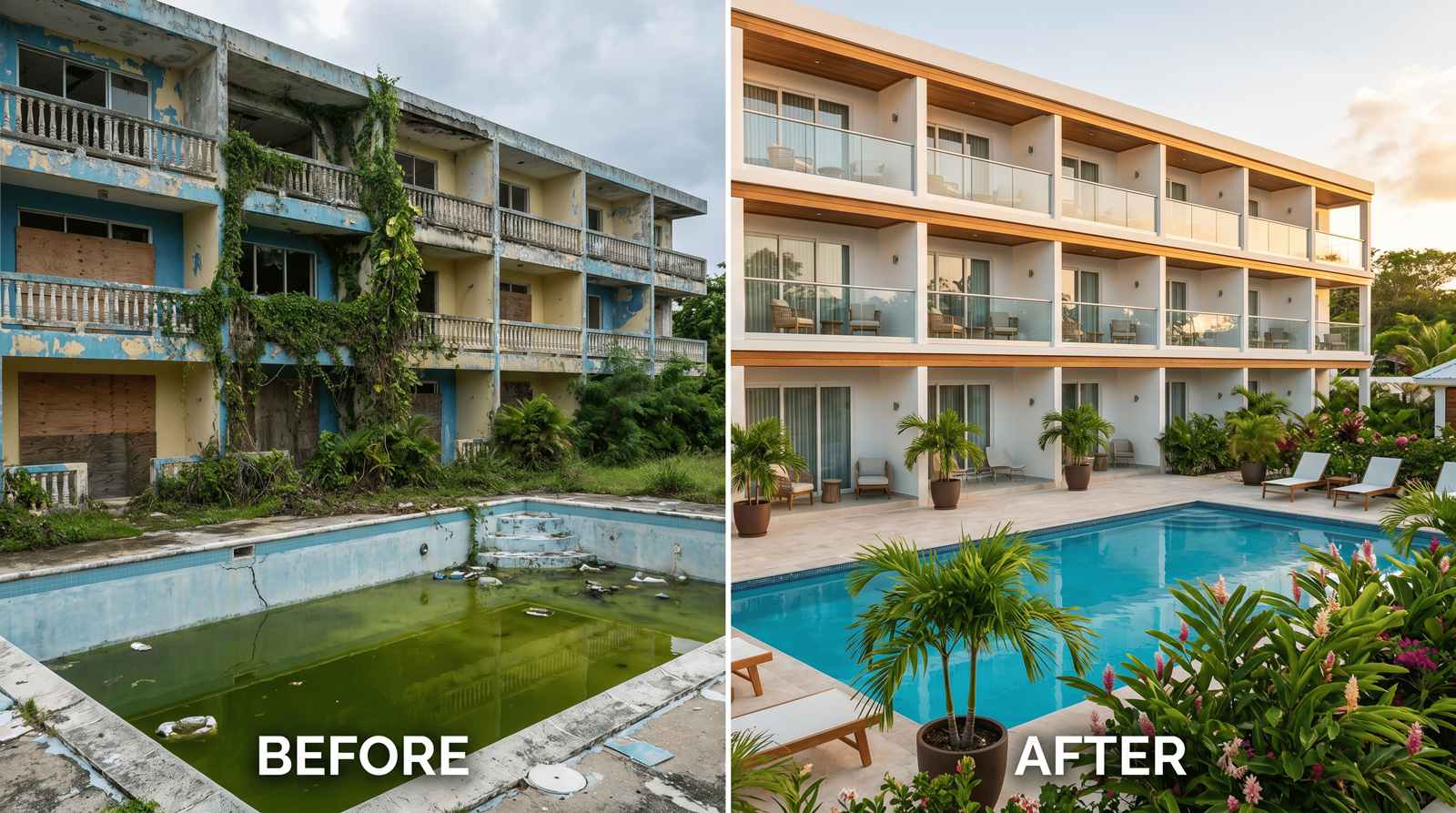
The result: properties that once generated employment and tourism revenue now sit vacant. Windows blown out. Pools green. Gardens overgrown. No electricity, no water, no guests, no income. Some have been dormant for six years or more.
At the same time, Negril faces an acute housing shortage. There is virtually no new residential inventory being built in the area. The Airbnb and short-term rental market is booming, but there is not enough quality stock to meet demand. Jamaican diaspora members are actively looking for property on the island but find few affordable, move-in-ready options in resort towns.
The hotel-to-condo conversion model solves both problems simultaneously. It takes a non-performing asset and turns it into titled residential property. It creates housing inventory where none existed. It generates rental income, employment, and tax revenue for the community. And it gives diaspora investors an entry point into Jamaican real estate at a fraction of what new construction would cost.
The Model: How These Conversions Work
Every conversion project examined follows a similar structure.
Acquisition. A development group identifies a distressed or closed hotel property. They negotiate a purchase, typically all-cash, at a price well below what the land and buildings would cost to replicate from scratch. The structural bones of hotel buildings (concrete and steel, hurricane-resistant construction, existing plumbing and electrical infrastructure) are often in solid condition despite years of neglect.
Legal structuring. A Jamaican real estate attorney handles the title transfer, strata subdivision, and creation of individual unit titles. Each buyer receives their own registered title for their specific unit, not a share in a company or a timeshare arrangement. This is full freehold ownership. The strata process also establishes the legal framework for common area management, HOA governance, and shared amenity responsibilities.
Renovation. Each hotel room is renovated into a self-contained unit with a kitchenette, modern bathroom, new flooring, windows, doors, and furnishings. Construction budgets range from $35,000 to $70,000 USD per unit, or more depending on the size and scope. Developers typically hire a single general contractor and manage construction centrally to maintain quality control and cost efficiency.
Sale and management. Units are sold to individual investors at fixed prices. Most projects offer an on-site rental management program where the developer or a contracted property manager handles Airbnb and short-term rental bookings, cleaning, maintenance, and guest services for a percentage of rental income (typically 20-30%). Owners who prefer to manage their own rentals can do so independently.
Common amenities. Converted properties retain their hotel infrastructure: pools, restaurants, bars, gardens, parking, laundry facilities, and in some cases gyms, tennis courts, and beach access. These become shared amenities governed by the HOA/strata corporation. Monthly maintenance fees cover security, landscaping, pool maintenance, common area electricity, water, and staffing.
The Projects: Five Conversions in Negril and One Beyond
The West. Signature (Formerly Coral Seas on the Cliff)
This is the project that proved the model works.
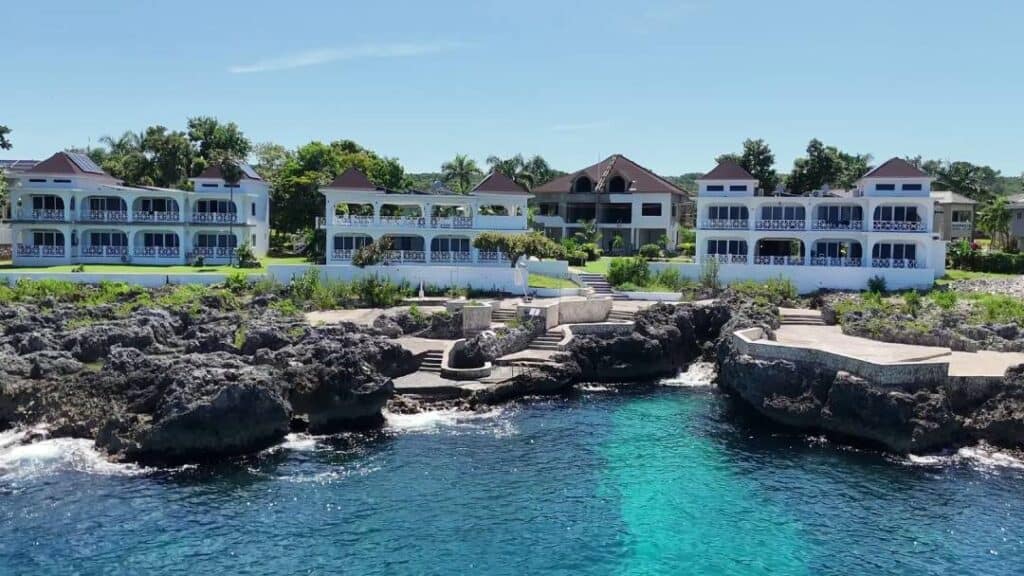
Located on West End Road adjacent to Rockhouse Hotel, The West was originally a 30-room cliffside hotel called Coral Seas on the Cliff. It was acquired in late 2023 by a group of investors who pooled roughly $3 million USD. The acquisition and conversion were facilitated through the ThropX Jamaica Investment Conference held at Travellers Beach Resort in November 2023.
Units were initially offered starting at $105,000 USD. Buyers spent an additional $20,000 to $30,000 on individual unit renovations. As of 2026, completed units are valued at over $300,000 USD. Early investors have effectively doubled their money in under two and a half years.
The property now operates as a functioning residential community with on-site amenities including a cliffside restaurant and bar (Syd’s on the Rocks), a solar power system producing approximately 40 kilowatts of peak daily power, a swimming pool, and direct sea access from the cliffs. Units are generating rental income through Airbnb and direct bookings.
The West demonstrated several key principles that subsequent projects have adopted: individual electricity and water metering for each unit (critical in Jamaica where utility costs are among the highest in the world), centralized construction management to avoid the chaos of 30 separate renovation contractors on a single property, and an on-site rental management program so absentee owners can generate income without being present.
It also revealed the operational realities of running a strata community in Jamaica. Establishing an HOA governance structure, setting equitable maintenance fees across units of different sizes and occupancy levels, managing common area budgets, and navigating the strata registration process with Jamaica’s legal system are all complex undertakings that require experienced management and community cooperation.
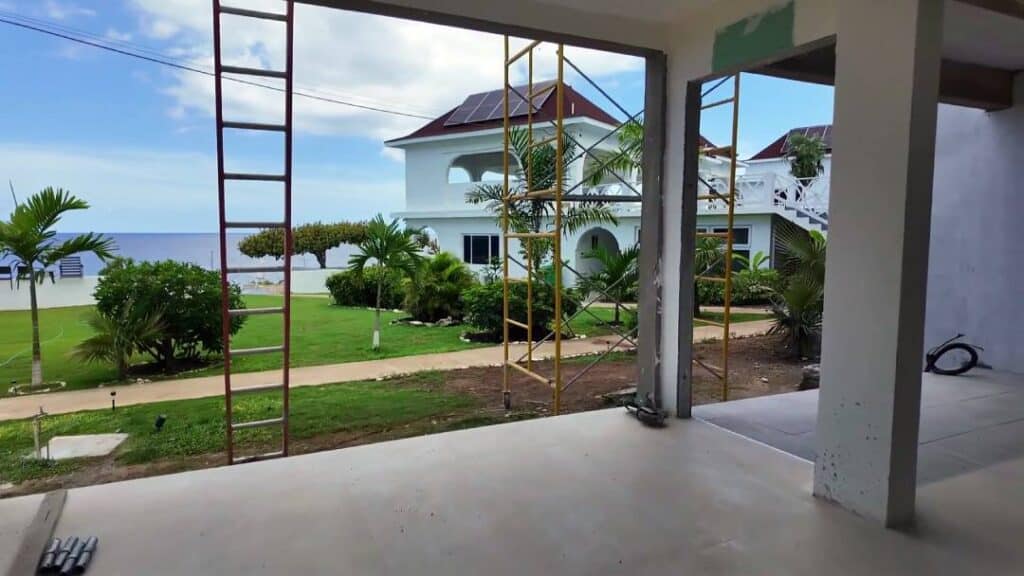
The development and conversion were spearheaded by Delano Dowdie through Cardinal Points Jamaica. While the ThropX conference brought the investor group together, it was Dowdie who took the first and hardest step: transforming an aging 30-room cliff-side hotel into individually titled condominiums when nobody in Negril had proven the model could work.
Dowdie and his team managed every aspect of the physical conversion. Construction oversight, unit-by-unit renovations, establishment of the strata governance structure, and ongoing property management. The challenges were substantial. Coordinating renovations across a live property with multiple owners, navigating Jamaica’s strata registration process, managing contractor quality on a cliff-side site, and establishing an HOA governance framework for a community of diaspora investors who largely live overseas.
The West was not just a successful investment. It was a proof of concept that created the blueprint every subsequent conversion in Negril has followed. That track record matters. When other development groups saw the returns at The West and decided to replicate the model, they were not inventing a new approach. They were following a path that Dowdie had already walked, with all the mistakes made, lessons learned, and systems built.
The Oasis (West End, Negril)
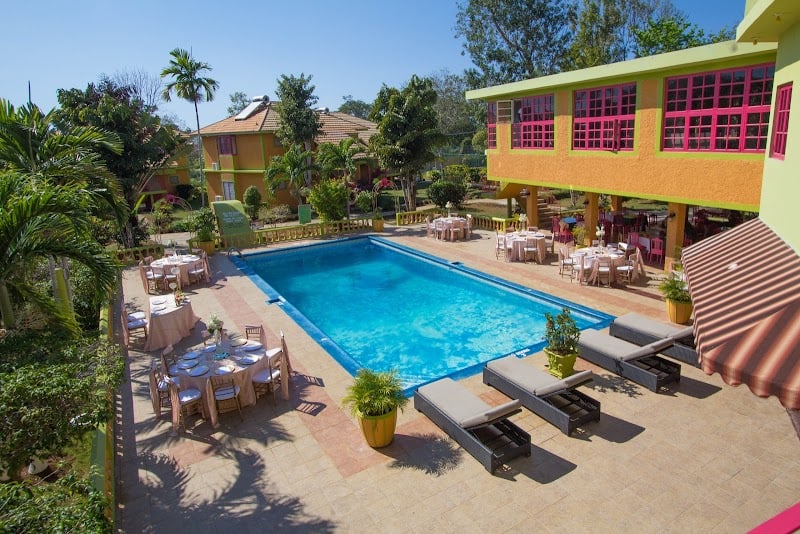
The Oasis is a 57-room former hotel on 4 acres of West End land, close to Rick’s Cafe. The previous owner, Carl Duhaney, a Jamaican-Canadian, invested heavily in the property including high-end finishes throughout, a solar farm, a fish pond, a commercial kitchen, separate utility metering for every room, and two backup generators. He passed away, his family did not continue operations, and the property has been dormant for approximately six years.
A development group called Best-in-Class, led by two Jamaican-born partners, acquired the property and is converting it into individually titled condominiums. The deal was brokered through IE Homes, with Naen Anderson holding the listing and Maura Watson co-brokering. Construction is scheduled to begin in May 2026 with a target completion of September 2027.
Two unit types are offered for sale:
| Unit Type | Size | Price (USD) | Quantity |
|---|---|---|---|
| Cottage units | 323 sq ft | $140,000 | 16 for sale |
| Main building units | 423 sq ft | $160,000 | 24 for sale |
The Oasis has 57 rooms in total. Forty are being offered for sale (16 cottage units and 24 main building units); the remaining 17 are retained by the initial investor group and placed in the rental pool.
The property sits on 4 acres, with 2 currently developed and 2 reserved for future expansion. Current investors will receive first option to purchase units in the expansion phase. Amenities include a swimming pool, tennis/pickleball court, a restaurant and cafe space (to be leased to an operator), a gym, extensive gardens with mature fruit trees, and a massive laundry and maintenance facility.
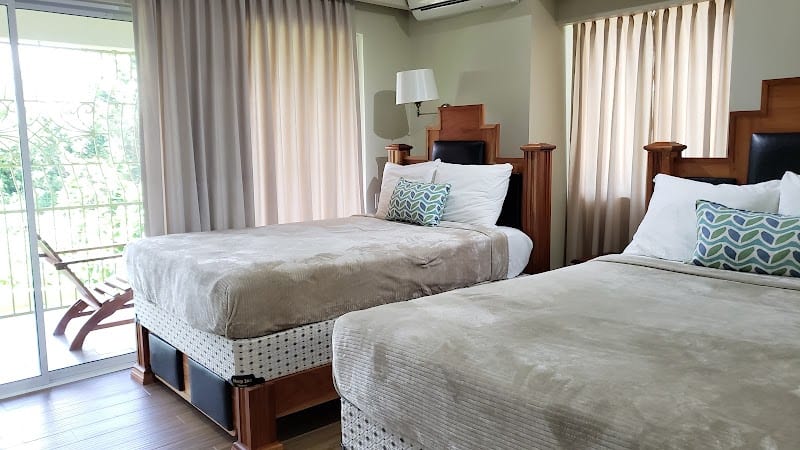
The Oasis distinguishes itself from typical Negril developments in several ways. The existing infrastructure is exceptionally well built: concrete and steel construction that has survived multiple hurricanes without structural damage, separate electricity and water meters already installed for each unit, two large generators, and solar panel infrastructure. The developers have also secured beach access for Oasis owners at White Sands, a beachfront property on Norman Manley Blvd that the same development group recently acquired.
The conversion is being handled by a named professional team. Real estate attorney Deborah-Ann Matthews is managing the legal and strata work. Architect Hugo Matthews of Virtuoso Architects, whose past work includes the Usain Bolt building in Kingston, is leading the design. Ingenuity Consulting is the land surveyor, and the construction contract went to ABYD, selected through a competitive bid.
The payment structure is 50% deposit upon signing, 25% due in July 2026, and the final 25% upon completion. Estimated monthly HOA fees are projected at $250 to $300 USD, covering 24-hour security, reception, housekeeping, pool maintenance, landscaping, and common area utilities.
Winthrop Wellington, the owner of Travellers Beach Resort, has a YouTube channel about moving to and investing in Jamaica. He also hosts the yearly ThropX conference. He is buying a unit at The Oasis and his endorsement and media coverage have driven significant buyer interest.
The West. Spirited (Formerly SOV)
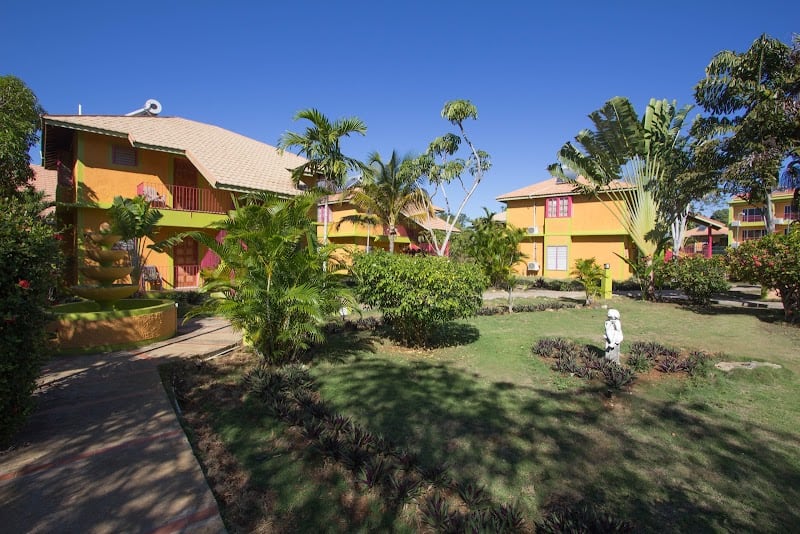
The West has grown into a two-building brand on the West End cliffs. Alongside the original property, now marketed as The West. Signature, Cardinal Points Jamaica is converting a second cliffside hotel, formerly known as SOV, under the name The West. Spirited.
Like its sister property, Spirited sits on the cliffs with direct sea access, and the conversion follows the same playbook Cardinal established next door: individually titled units, on-site rental management, and shared amenities. Planned features include a cliffside pool positioned for the Negril sunset, reef and dive access from the rocks, snorkelling, and an on-site dining option.
Coral Seas Beach Resort (Norman Manley Blvd, Negril)
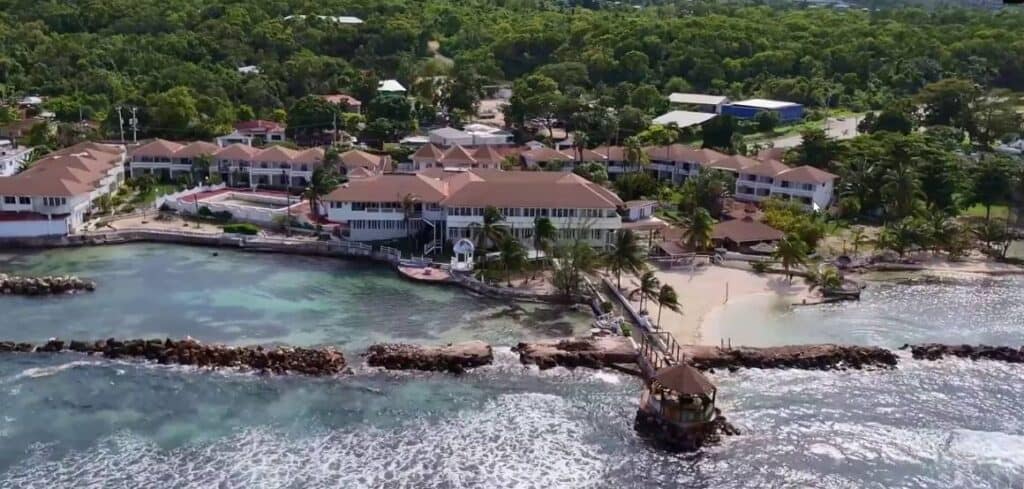
This is the first beachfront conversion in the portfolio, located directly on Negril’s Seven Mile Beach. Unlike the cliff-side properties, this one offers what most visitors associate with Negril: white sand and direct Caribbean Sea access.
Cardinal Points Jamaica is managing this conversion, making it their third Negril project. The property features 32 units across three floors with sizes ranging from 430 to 890 square feet.
| Unit Size | Acquisition Cost | Construction Budget | Total Investment |
|---|---|---|---|
| 430 sq ft | $172,563 | $35,000-$40,000 | $207,563-$212,563 |
| 500 sq ft | $194,376 | $35,000-$40,000 | $229,376-$234,376 |
| 520 sq ft | $200,608 | $40,000 | $240,608 |
| 790 sq ft (suite) | $284,744 | $70,000 | $354,744 |
| 860-890 sq ft (large suite) | $306,557-$315,906 | $65,000 | $371,557-$380,906 |
Total project value across all 32 units is approximately $8.16 million USD. As of the January 2026 investor summary, 17 units were reserved, leaving 15 available. The property was in the final stages of title transfer, with closing projected for March 2026. Construction was set to begin in May 2026 with an aggressive target of completion by end of year, though spring 2027 is considered more realistic.
The acquisition is structured as an all-cash transaction with no bank financing on the developer side. Buyers pay the acquisition total to close, with construction budgets collected separately in phases (50% upfront, 30% midway, 20% at completion). All funds are held in the attorney’s escrow account during the transaction.
Planned amenities include an oceanfront restaurant and bar, and the property benefits from its beachfront location for rental demand. This is a significant step up in both price point and market positioning from the West End cliff properties, reflecting the premium that Seven Mile Beach commands.
Salt+Sand Deh Yah (Norman Manley Blvd, Negril)
The conversion trend’s expansion beyond Cardinal Points Jamaica became definitive with Salt+Sand Deh Yah, a 22-unit boutique beachfront condo-hotel on Seven Mile Beach.
The property sits between Skylark and Margaritaville on Norman Manley Boulevard. It was previously home to Sea Splash Resort, known for its popular restaurant Norma’s, before being sold and reopened as VickiTini Beach Resort. VickiTini closed in July 2025. The property sat vacant until an investment and redevelopment group moved on it.
Salt+Sand is led by Sutton McKay, a 28-year-old Canadian real estate investor, alongside Lena Langille, a Canadian with extensive real estate experience in Nova Scotia, and Maura Watson, the same Negril-based realtor who brokered The West, facilitated sales at The Oasis, and has been involved in virtually every major conversion deal in the town.
The team acquired the property after talks with the sellers that began in 2024. Their stated approach: modernize the property while preserving the authentic Jamaican character that draws visitors to Negril in the first place. The name “Deh Yah,” Jamaican Patois for “I’m here,” reflects the brand’s emphasis on presence and cultural connection.
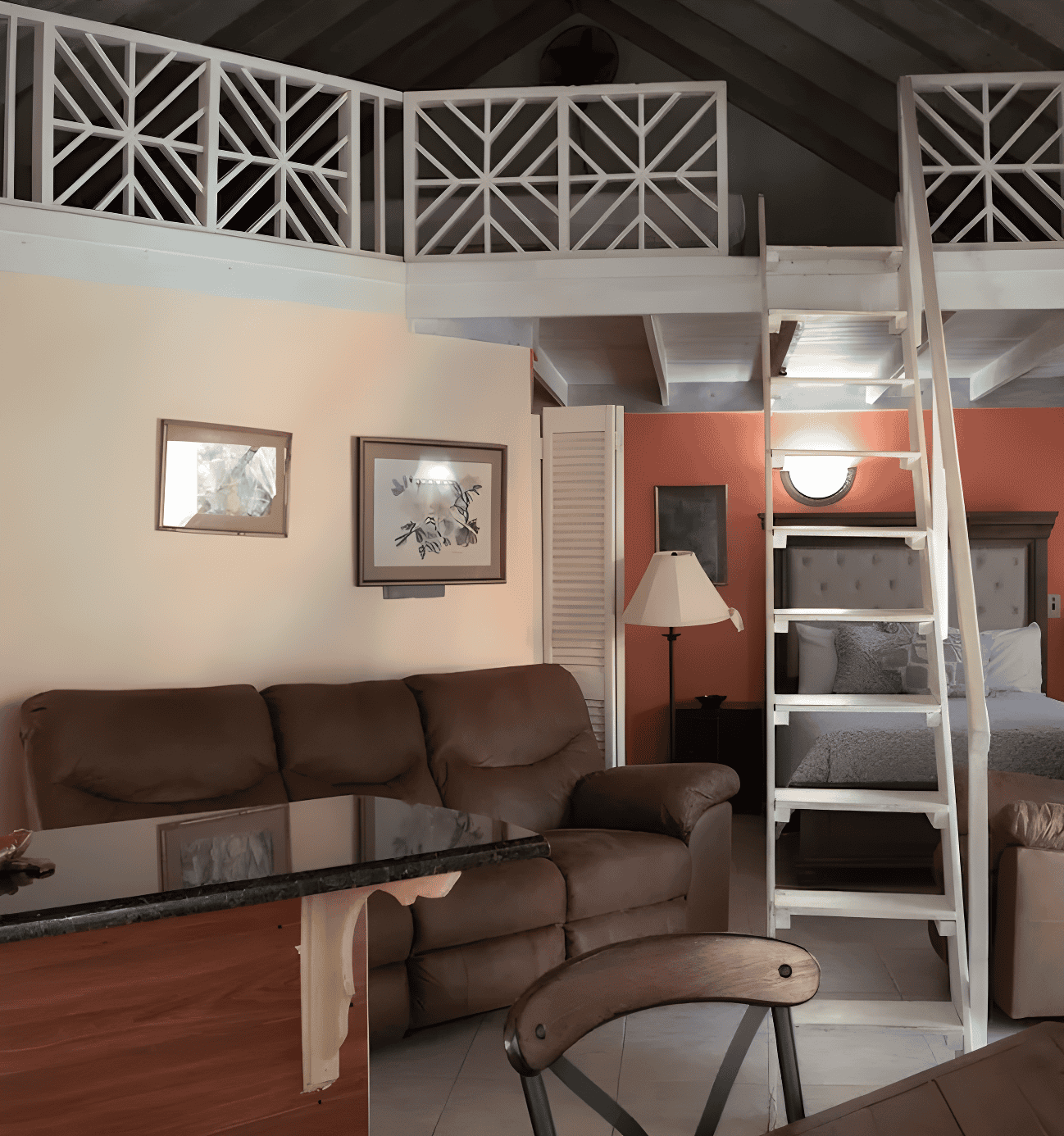
The numbers tell the story of how quickly the market has moved. Twenty existing units are being renovated and two new units are being added, bringing the total to 22. Prices range from $249,000 USD for standard units (approximately 240 square feet) to $550,000 USD for loft suites (approximately 700 square feet). Deluxe units at approximately 450 square feet sit in between. Approximately 50% of the units sold within the first two weeks of going on the market.
The total project investment is just over $1.8 million USD, covering both equity and financing. The next major renovation phase is planned for mid-June 2026, with completion targeted for December 2026.
Infrastructure upgrades mirror what has become the standard playbook established at The West: all new plumbing supply lines, solar panel installation, a new backup generator system, and a sub-metered RUBS (ratio utility billing system) for fair utility cost allocation among owners. Backup water tanks are already in place to manage Negril’s intermittent water supply issues.
One significant advantage this property holds over many other conversions: it was originally zoned for strata development in the 1990s and already has existing strata titles. For international buyers, this eliminates one of the most complex and time-consuming steps in the conversion process. It also makes the ownership structure immediately familiar and legally straightforward for foreign purchasers.
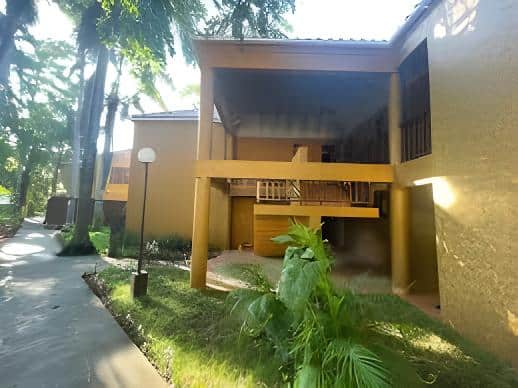
Property management is handled by South Coast Villas, a local company specializing in luxury short-term rental and concierge services. Owners who prefer to manage their own bookings can do so independently.
Salt+Sand is notable for several reasons. It is not a Cardinal Points Jamaica project. It represents an independent group applying the conversion model that Dowdie proved at The West. It brings Maura Watson’s involvement full circle, from broker to co-owner. And it signals that the conversion trend has attracted a new generation of investors (McKay is 28) with institutional-level branding and marketing sophistication. The team has already stated that Salt+Sand is intended to be an ongoing investment group and hospitality brand, with additional projects and future locations being explored.
The price points also tell a story about market velocity. Early buyers at The West entered at $105,000 USD in late 2023. Salt+Sand’s entry point in 2026 starts at $249,000 USD, with remaining units after renovation expected to be priced 15 to 20% higher. The affordable window that Watson has spoken about publicly is visibly closing.
4 Summerset Lane (West End, Negril)
While not a hotel conversion in the traditional sense, this property represents the broader acquisition trend on West End Road. Located on Summerset Lane near The West and the former Coral Seas property, this three-quarter-acre lot includes three existing cottages (one cut-stone building that previously served as an art gallery and restaurant, one one-bedroom cottage, and a caretaker’s cottage) and is listed at $365,000 USD.
The property was originally purchased in 1978. The flat, spacious lot with mature trees, fruit trees, and proximity to the cliffs (across the street) makes it suitable for small-scale condo development of three to four units, each with private driveways and yard space.
This listing illustrates the broader opportunity: individual properties on West End Road that could be developed by smaller investor groups using the same conversion playbook, just at a more intimate scale.
Club Ambiance (Runaway Bay, St. Ann)
The conversion model’s viability is confirmed by its expansion outside Negril. Club Ambiance in Runaway Bay, on Jamaica’s North Coast in St. Ann Parish, is being developed by Cardinal Points Jamaica using the same framework.
Units average $130,000 USD with a $500 non-refundable reservation fee credited toward the purchase price. The initial deposit is $20,000 upon signing trust/beneficiary agreements, followed by $70,000 to $100,000 within 45 days depending on unit size. The development team hosted on-site visits in June 2025.
The expansion to Runaway Bay signals that the hotel-to-condo model is not a Negril-specific phenomenon. It is a response to island-wide conditions: small hotel closures, housing demand from diaspora investors, and the economic logic of repurposing existing structures rather than building from the ground up.
Who Is Buying and Why
The buyer profile across these projects is remarkably consistent. The majority are members of the Jamaican diaspora: first or second-generation Jamaicans living in Canada (Toronto, Montreal, Ottawa, Nova Scotia), the United States (Florida, New York, Atlanta, New Jersey, the DMV area), and the United Kingdom (London). Many have maintained emotional and family ties to Jamaica and see property ownership as both a financial investment and a personal connection to home.
The motivations are layered. Some buyers are planning retirement residences. Others want a vacation property that generates rental income when they are not using it. Some are pure investors looking for capital appreciation in a market where property values in Negril have doubled or tripled in recent years. Point Village units that sold for $25,000 USD in 2005 now trade above $250,000. Studios that were $50,000 to $100,000 just a few years ago are now $200,000 to $500,000.
The price points of these conversion projects ($130,000 to $380,000 USD) sit in a range that is accessible to working professionals in the diaspora, particularly when compared to real estate prices in Toronto, New York, or London. Buyers have noted that a studio in Montreal, Toronto, or Vancouver starts at over $450,000 CAD with high condo fees and no beach.
A smaller but notable segment of buyers are Jamaican residents, including professionals in Kingston and Montego Bay, local entrepreneurs, and returning residents. The narrative that these projects are “not for Jamaicans” has been publicly challenged by the developers, who point out that the development teams themselves are Jamaican-born and that a significant portion of buyers are Jamaica-based.
The Common Thread: Maura Watson and the Professionalization of Negril Real Estate
Maura Watson‘s name appears in nearly every conversion deal in Negril. She brokered The West. She facilitated sales at The Oasis. She is listed as the primary sales agent for Coral Seas Beach Resort. She is now a co-owner of Salt+Sand Deh Yah. In less than three years, she has been involved in transactions totalling tens of millions of dollars across Negril’s cliff-side and beachfront properties.
Watson, originally from Boston and licensed in both Massachusetts and Jamaica, has lived in Negril since 2007. She recently passed her broker’s examination and is preparing to open her own brokerage, The W Group, alongside her daughters Sydney and Emma, both of whom are now licensed realtors.
Winthrop Wellington, who hosts the annual ThropX conference and owns the Travellers Beach Resort, has also obtained his realtor’s licence. The convergence of the conference platform, the brokerage expertise, and the developer track record has created a self-reinforcing ecosystem: ThropX generates investor interest, Watson and her team broker the deals, Cardinal Points or other development groups execute the conversions, and the returns attract the next wave of investors.
This professionalization is a marked shift from how real estate has historically operated in Negril. The NCC’s 2019 vision document lamented the lack of professional services and institutional structure. Three years of successful conversions have attracted licensed professionals, formal investment groups with prospectuses, and structured management companies. The era of informal handshake deals and family-managed guest houses is not over, but it is no longer the only model available.
The Risks and Realities
These investments carry real risk, and informed buyers should approach them with full awareness of the following:
Construction timelines are estimates, not guarantees. Every project referenced has experienced delays. Scope changes, contractor availability, material shipping delays, and weather events all contribute. A target completion date of “end of 2026” may realistically mean spring or summer 2027.
Jamaica’s strata registration process is complex and slow. Receiving your individual title is not instantaneous upon completion. The strata plan must be surveyed, submitted, and approved by the relevant authorities. Physical changes to the building footprint during renovation can reset portions of this process.
All-cash transactions mean no mortgage leverage. These are not bank-financed purchases. Buyers need liquid capital or personal financing arrangements. The typical structure is 50% down with staged payments over 12 to 18 months.
Rental income is not guaranteed. Negril’s short-term rental market is strong but seasonal. Occupancy rates vary. Management fees, utility costs, HOA fees, and Jamaican taxes all reduce net returns. The Airbnb market in Negril is growing but also becoming more competitive.
Utility costs in Jamaica are among the highest in the world. Electricity from JPS (Jamaica Public Service) is expensive. Solar installations can significantly reduce costs but require proper setup and maintenance. Water via the National Water Commission is an additional ongoing expense.
HOA governance in a new community takes time to establish. Setting equitable fee structures, maintaining common amenities, managing budgets transparently, and building consensus among owners spread across multiple countries and time zones is an ongoing operational challenge.
Hurricane exposure is real. Western Jamaica is in the hurricane belt. Properties must be built to withstand severe weather, and insurance costs are rising across the Caribbean.
Despite these considerations, the underlying economics are compelling. The acquisition costs are a fraction of new construction. The structural infrastructure of former hotels (concrete and steel buildings, commercial-grade plumbing and electrical, existing pools and common areas) provides a foundation that would cost multiples to replicate. And the demand for both short-term rental accommodation and diaspora housing in Negril shows no signs of slowing.
What This Means for Negril
The hotel-to-condo conversion trend is reshaping Negril’s West End in particular. Properties that were contributing nothing to the local economy, no employment, no tax revenue, no tourism spending, are being brought back to life. Each conversion creates construction jobs during renovation, permanent employment for property management staff (security, housekeeping, maintenance, landscaping, reception), and new customers for nearby restaurants, bars, and service businesses.
The model also increases Negril’s residential population. Owners who use their units part-time and rent them out for the remainder bring a steady flow of visitors who spend money in the community. Owners who relocate full-time add to the permanent population and local spending base.
Whether this represents, as some participants have described it, the beginning of a renaissance for Negril remains to be seen. What is clear is that the conversion model has moved beyond the proof-of-concept stage. Multiple projects are in various stages of development. The legal, financial, and operational frameworks have been tested. And the demand from diaspora investors continues to grow.
For those considering investment, the ThropX Jamaica Investment Conference (held at Travellers Beach Resort in Negril, with sessions in May and November) provides direct access to the developers, realtors, attorneys, and fellow investors driving this trend. Property tours of active conversion sites are a core component of the conference program.
The Market Trajectory: From Proof of Concept to Price Acceleration
The price history across Negril’s conversion projects traces a clear curve.
In late 2023, early investors at The West acquired units starting at $105,000 USD. With renovation costs of $20,000 to $30,000, total investment per unit was approximately $125,000 to $135,000. As of 2026, those units are valued at over $300,000 USD. Early investors have effectively tripled their money in under three years.
The Oasis launched in 2026 with units at $140,000 to $160,000 USD. The entry point had already risen 33 to 52% above The West’s original pricing.
Coral Seas Beach Resort, the first beachfront conversion, pushed the range further: $172,000 to $380,000 USD, reflecting the premium that Seven Mile Beach commands over West End cliff properties.
Salt+Sand Deh Yah, also on Seven Mile Beach, entered the market at $249,000 to $550,000 USD. Fifty percent sold within two weeks. Remaining units are expected to be priced 15 to 20% higher after renovations.
| Project | Price (USD) | Location |
|---|---|---|
| The West. Signature | $325,000 to $350,000 | West End (cliffs) |
| The West. Spirited | To be released | West End (cliffs) |
| The Oasis | $140,000 to $160,000 | West End |
| Coral Seas Beach Hotel | $208,000 to $381,000 | 7 Mile Beach |
| Salt+Sand Deh Yah | $249,000 to $550,000 | 7 Mile Beach |
The West. Signature launched in 2023 at $105,000; the figures above are the final remaining units, with completed units now valued above $300,000. The West. Spirited (formerly SOV) pricing has not yet been released. Coral Seas Beach Hotel figures are total investment, acquisition plus construction budget. Prices are starting points and move with unit size, floor, view, and release phase. Figures in USD and current at the time of writing.
Three years. Four projects (plus The West Signature and White Sands). Prices roughly doubling at the entry level and quadrupling at the top end. Multiple development groups now operating independently. Sales timelines compressing from months to days.
The conversion model that Delano Dowdie proved at The West is no longer an experiment. It is becoming the standard development model for Negril’s accommodation sector. The question is no longer whether it works. The question is how long the pricing remains accessible to the everyday diaspora investor who made the model possible in the first place.
FAQ
Can foreigners buy property in Negril Jamaica?
Yes. There are no restrictions on foreign property ownership in Jamaica. Non-Jamaican citizens can purchase, own, and sell real estate with the same rights as Jamaican citizens. You will need a Jamaican attorney to handle the conveyance and a Tax Registration Number (TRN) from the Tax Administration of Jamaica.
What is a hotel-to-condo conversion?
A hotel-to-condo conversion is the process of purchasing an existing hotel property, subdividing it into individual units through Jamaica’s strata title process, renovating each unit, and selling them to individual owners who receive their own registered title. The common areas (pool, restaurant, gardens) are shared and managed by a strata corporation or HOA.
How much do converted hotel units cost in Negril?
Prices range from approximately $130,000 USD for smaller studio units (323 sq ft) to over $380,000 USD for larger suites (890 sq ft) on beachfront properties. Construction/renovation budgets add $35,000 to $70,000 on top of the acquisition cost, depending on unit size.
What are the ongoing costs of owning a unit?
Monthly HOA/maintenance fees are estimated at $200 to $300 USD depending on the property and amenities. Owners are also responsible for their individual electricity and water bills, property insurance, and Jamaican property taxes. If using a rental management service, expect a 20-30% management fee on rental income.
Can I rent out my unit on Airbnb?
Yes. Most conversion projects explicitly support short-term rental use. Several offer on-site rental management programs that handle bookings, guest services, and maintenance for owners who are not on the island.
Do I need to be in Jamaica to buy?
No. Many buyers purchase remotely, working with the realtor and attorney via video calls, email, and wire transfers. However, visiting the property before purchasing is recommended, and several developers host scheduled site visit days for prospective buyers.
What is ThropX?
ThropX is an annual Jamaica investment conference hosted at Travellers Beach Resort in Negril by Winthrop Wellington. The conference connects diaspora investors with Jamaican developers, realtors, attorneys, lenders, and government partners. It includes panel discussions, real estate tours, and networking events.
Is this the same as a timeshare?
No. Timeshares grant you the right to use a property for a specific period each year. Hotel-to-condo conversions grant you full freehold ownership of a specific unit with a registered title. You can sell it, rent it, live in it, or leave it vacant. It is your property.
For more information on Negril properties, businesses, and local resources, visit DiscoverNegril.com.
This article is for informational purposes only and does not constitute legal, financial, or investment advice. Consult a qualified professional before making any property purchase or investment decision.