
Is Negril Safe? A Straight Answer
Yes. For the vast majority of visitors, Negril is safe, and the fear most people arrive with is far bigger than anything they will actually meet here. If someone told you to cancel your trip, there is a good chance they have never set foot in Jamaica. I have walked both roads for years, and I would rather give you the honest version than the brochure one, including the parts that are true and not flattering.
So let me do that.
Where the fear comes from
Almost none of it starts in Negril. It starts with a travel advisory somebody half read, a warning passed down from a friend of a friend, and a reputation that travels faster than the truth. The United States State Department keeps a standing advisory on Jamaica, and it does flag real areas to avoid. The problem is how it gets repeated. “Certain neighbourhoods in Kingston and Montego Bay” turns into “Jamaica is dangerous” by the time it reaches your husband’s boss.
The advisory is a real document. It is just not a description of the beach you are going to.
What the numbers actually say
The data says the opposite of the scare, and 2025 was the clearest proof in a generation.
Jamaica recorded 673 murders in 2025. That was the first time the figure fell below 700 since 1993, and a drop of roughly 40 percent from the 1,139 the year before. The national murder rate fell from about 40 per 100,000 to 23.7. Rapes and shootings came down too. InsightCrime, which tracks homicide across Latin America and the Caribbean, put Jamaica at 23.7 for 2025 in its March 2026 round-up.
Here is the honest caveat, because you should not take a national number and paste it onto your holiday. A country’s murder rate is not a tourist’s risk. The violence Jamaica does have is concentrated in specific communities, most of it tied to disputes that have nothing to do with a visitor sitting on Seven Mile Beach. Those places are not on your itinerary, and you would have to work to find them.
The part nobody likes to say out loud
Negril is safe. Negril is not free of hassle. Those are two different things, and confusing them is what makes first-timers nervous.
The beach vending is constant. You will be offered weed, boat rides, hair braiding, wood carvings, aloe for your sunburn, and a dozen other things before lunch. It is persistent and it can be tiring. It is not danger. A polite, firm “no thank you” almost always ends it. The trap is engagement. Stop to chat, pick something up, show real interest, and you may find you have company for the next hour or a bracelet you did not plan to buy.
There are a few things worth being plain about. Never change money with a stranger who offers you a better rate, and never hand cash to someone you just met on the promise they will come back with it. Keep your valuables secured, because the real property risk here is theft from rooms in smaller unsecured rentals, not anything that happens to you on the sand. And do not go looking for trouble, the same rule that keeps you safe in any city you have ever lived in.
The Negril the returnees know
Here is the shift I watch happen over and over.
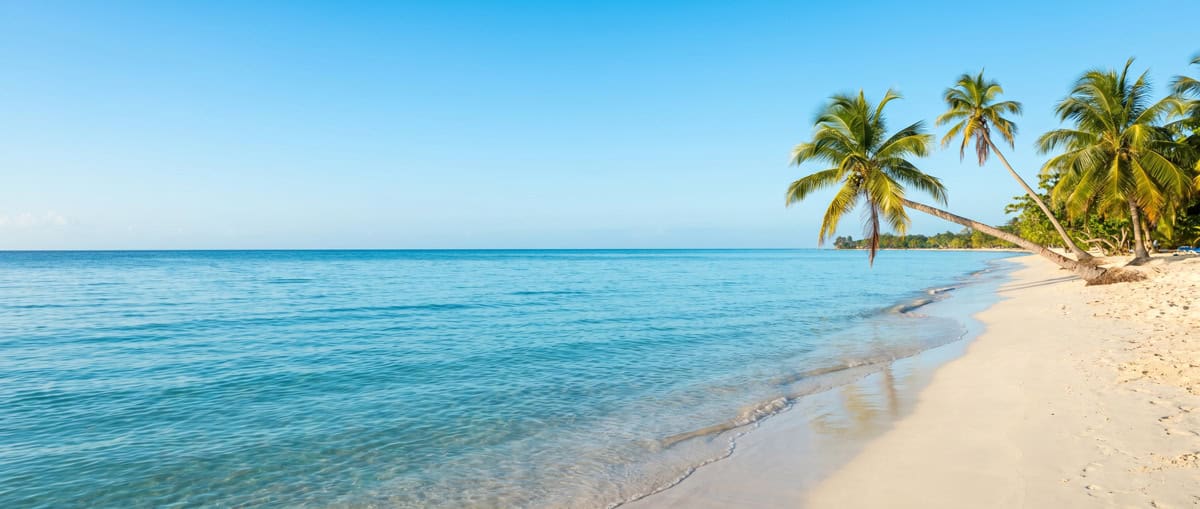
The first trip, people never leave the resort. They are collected at the airport, driven straight to the property, and they stay inside the fence for a week because that is what fear does. The second trip, they get a little braver. They walk out the gate. And somewhere in that walk they realise the town was never the thing they were warned about. It is warm. People talk to you. The morning belongs to whoever is up early, and Seven Mile Beach at first light is one of the quietest, gentlest places you will find anywhere.
The people who come back are the tell. Solo travellers, including plenty of women on their own, walk that beach in the daylight and call Negril their favourite place in the world. They did not get braver because the town changed. They got braver because they found out the fear was imported.
A local’s safety checklist
Common sense, said plainly.
Daytime on the beach is fine. You can walk the length of Seven Mile in daylight without a second thought. At night, stay where it is lit and busy, and do not walk the beach alone in the dark. That is not a Jamaica rule, it is a rule that keeps you safe on any beach on earth.
For getting around, use a registered red-plate taxi or a driver someone you trust already uses. Red plate means the vehicle is licensed to carry passengers. Ride-share apps exist here but availability is patchy and the insurance situation is not the same as at home, so most visitors are better off with pre-arranged transport. I go deeper on all of this in the Getting Around Negril guide.
Keep the vendor script ready, the polite firm no. Secure your valuables. When in doubt about a tour, a driver, or a plan, ask your resort staff or a local you have come to trust. They will steer you right, because a good experience for you is their livelihood.
Who should think twice
An honest guide names the exceptions instead of hiding them.
Solo women will get more attention here, particularly on the beach, and it is worth planning around that rather than being caught off guard by it. It is rarely threatening, but it is real, and you are allowed to be firm.
And I will be straight about this too: Jamaica is not an easy place for LGBTQ+ travellers. Attitudes are changing slowly, but the social climate is more conservative than what many visitors are used to, and same-sex couples should go in aware of that. I would rather tell you than let you find out.
The straight answer, again
Negril is safe for the visitor who uses normal sense. The fear is mostly imported, the data is moving hard in the right direction, and the town is warmer than its reputation will ever admit. Come with your wits, not your dread, and the only thing you will regret is not booking longer.
That is the honest version. I put my name on it because I live here, and I would tell a friend exactly the same thing.